Judul : Samsung, Daewoo: Fearsome as Huawei, BYD
link : Samsung, Daewoo: Fearsome as Huawei, BYD
Samsung, Daewoo: Fearsome as Huawei, BYD
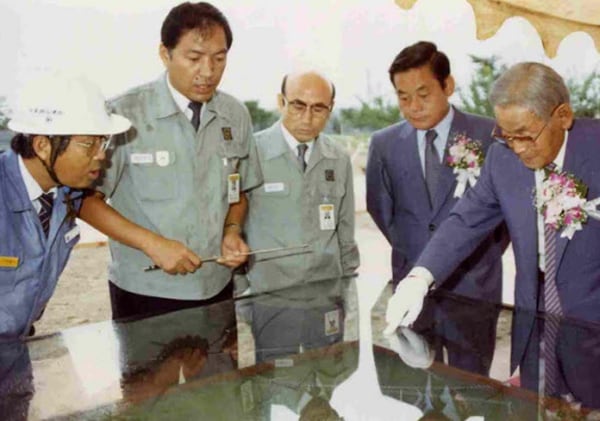
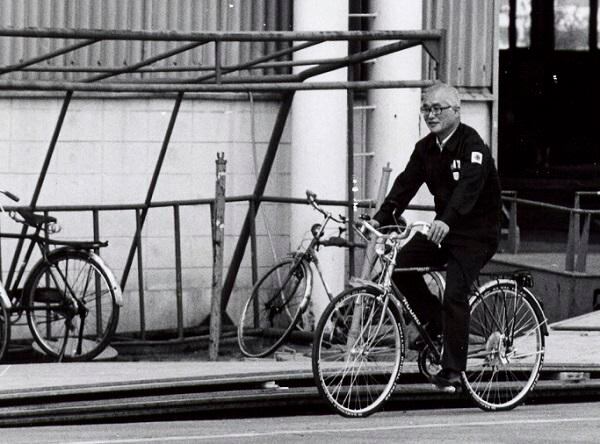
“Huawei and BYD today are exactly what Samsung and Daewoo were 20 and 30 years ago—no more, no less.”
A Chinese corporate official responded this way when told, “The rapid growth of Chinese high-tech firms is frightening.” The conversation revolved around massive investments risking everything, reckless determination to defy failure, and relentless focus on goals. The real crux of the statement isn’t that “they’ve become like us.” It’s that “we no longer resemble our former selves.” While China harnesses our blueprint for success to sprint into the future, we’ve forgotten even the first chapter of that legacy.
The founding generation has vanished, and no successor is in sight. On a corporate bulletin board, a post reads: “Back then, management would panic about crises even when we said we were fine. Now, they say we’re fine even when we scream crisis.” This signals the disappearance of the wildness that once drove us to take risks and pioneer new frontiers. What future can an organization have when “not failing” becomes more valuable than “succeeding”?
What was the essence of that “wildness” we once had? In 1974, Samsung Electronics ran a newspaper ad: “Samsung TVs are different in three ways.” The three points were “TVs that don’t break,” “10-year cathode ray tube lifespan,” and “semi-permanent channels.” Today, one might smirk: “If they don’t break, why a 10-year lifespan? And ‘semi-permanent’ isn’t permanent.” Yet a keyword unites these claims: obsession with betting everything on technology. In the ad’s corner, dense data like “2,460 hours of total inspection” and “channels that don’t fail after 100,000 rotations” testify to that era’s struggle. That year, then-director Lee Kun-hee poured personal funds to acquire Hankook Semiconductor. Nine years later, when Samsung bet its all on semiconductors via the Tokyo Declaration, it wasn’t following MBA textbook strategies. This was the core of the entrepreneurial spirit we had a generation ago.
Look into the mirror we hold. The sword of pursuit we once wielded against 1990s Japan now points at us from Chinese hands. Meanwhile, we’ve unknowingly become like the slow, complacent incumbent nations we once sought to overthrow.
Mountains of challenges loom: low birthrates, aging populations, semiconductor crises, and the U.S.-China tech war. The real crisis isn’t external. It’s within: we’ve lost the wildness that dared to defy impossibility and now shrink from risk. Political regulations, piling up, provide excuses to avoid challenges, accelerating the loss of that wildness.
We must return not just to the desperation of our bare-knuckle days but imagine building entirely new aircraft—not just swapping jet engines. While China and Silicon Valley treat “failing fast” as an innovation engine, haven’t we obsessed over blocking the possibility of failure?
The crisis of the Korean economy isn’t in economic indicators. It’s in leadership fixated on management over challenges, a culture intolerant of failure, and the pervasive “aristocratic inertia” where no one takes responsibility or dares to venture. Where did the wild blood of 1983 vanish—the blood that dreamed of the future while building semiconductor plants in mud? Will we hand the future wholesale to challengers who cloned our past? The price of choosing whether to awaken that old wildness or become a relic of history will be paid by future generations.
Thus the article Samsung, Daewoo: Fearsome as Huawei, BYD
You are now reading the article Samsung, Daewoo: Fearsome as Huawei, BYD with the link addresshttps://www.unionhotel.us/2025/10/samsung-daewoo-fearsome-as-huawei-byd.html
0 Response to "Samsung, Daewoo: Fearsome as Huawei, BYD"
Post a Comment